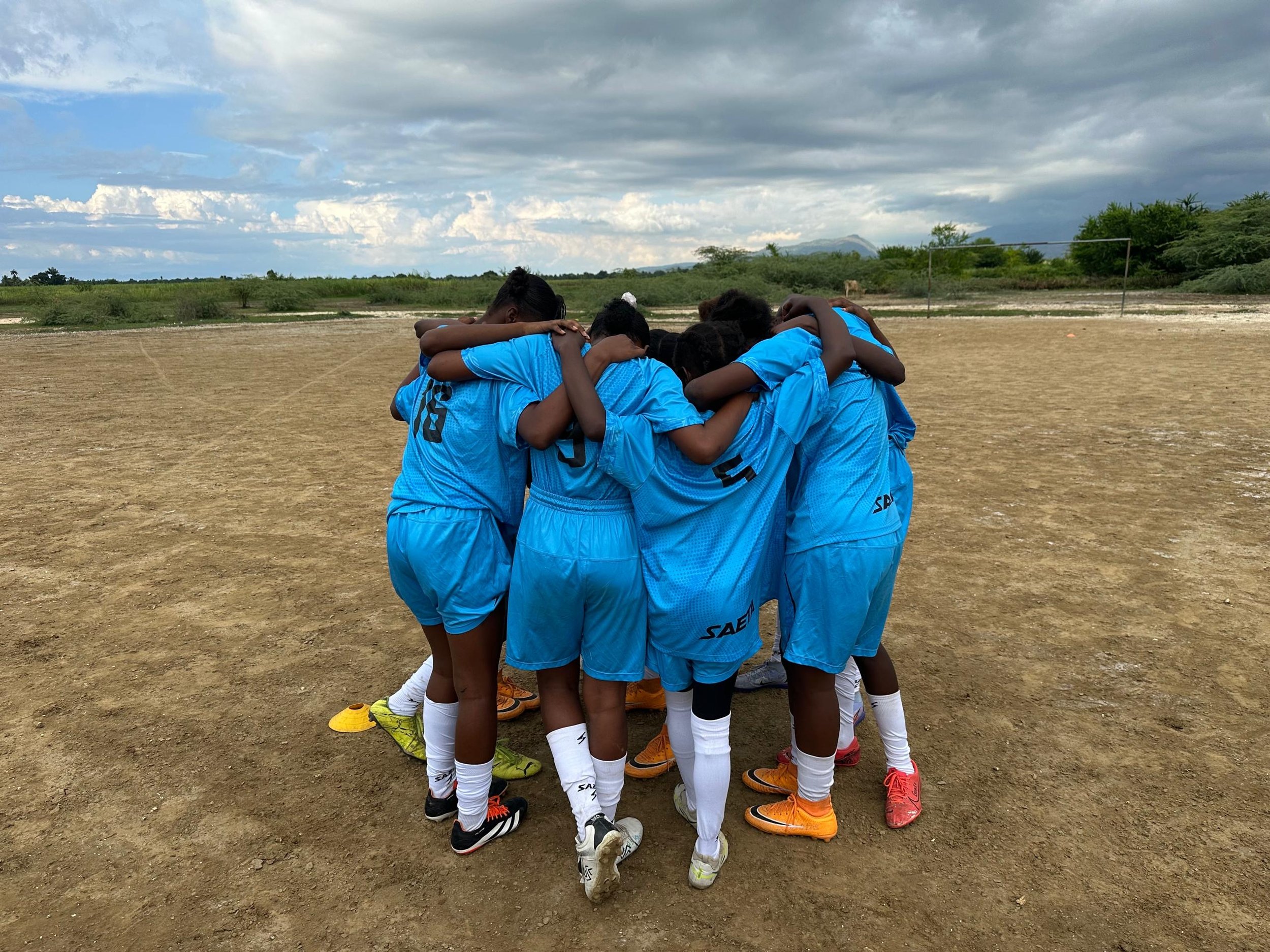
When the storm came, trust was our greatest asset
Kathy McAllister, executive director of GOALS Haiti, describes how Hurricane Melissa decimated southern Haiti and, with it, grassroots football.
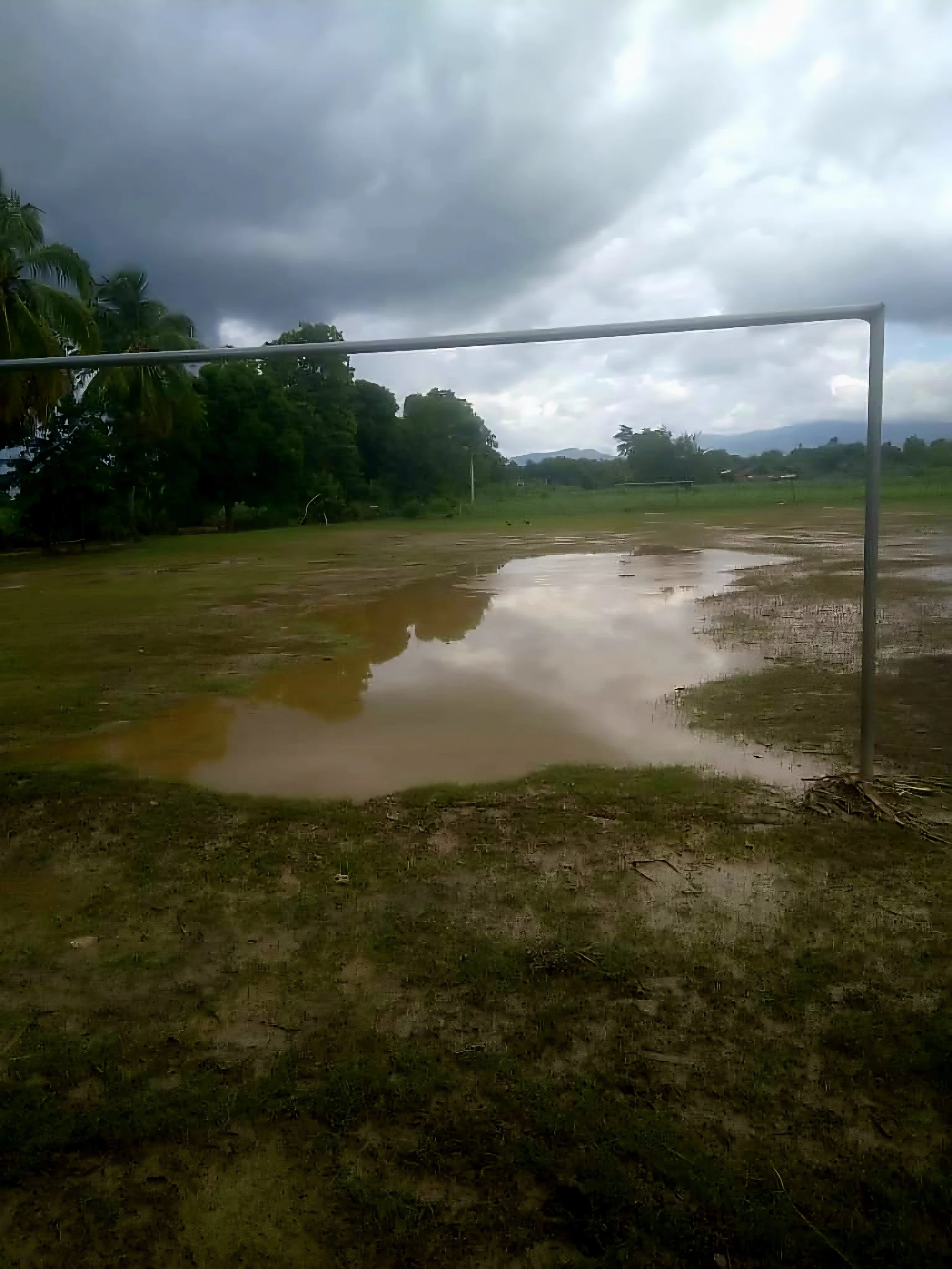
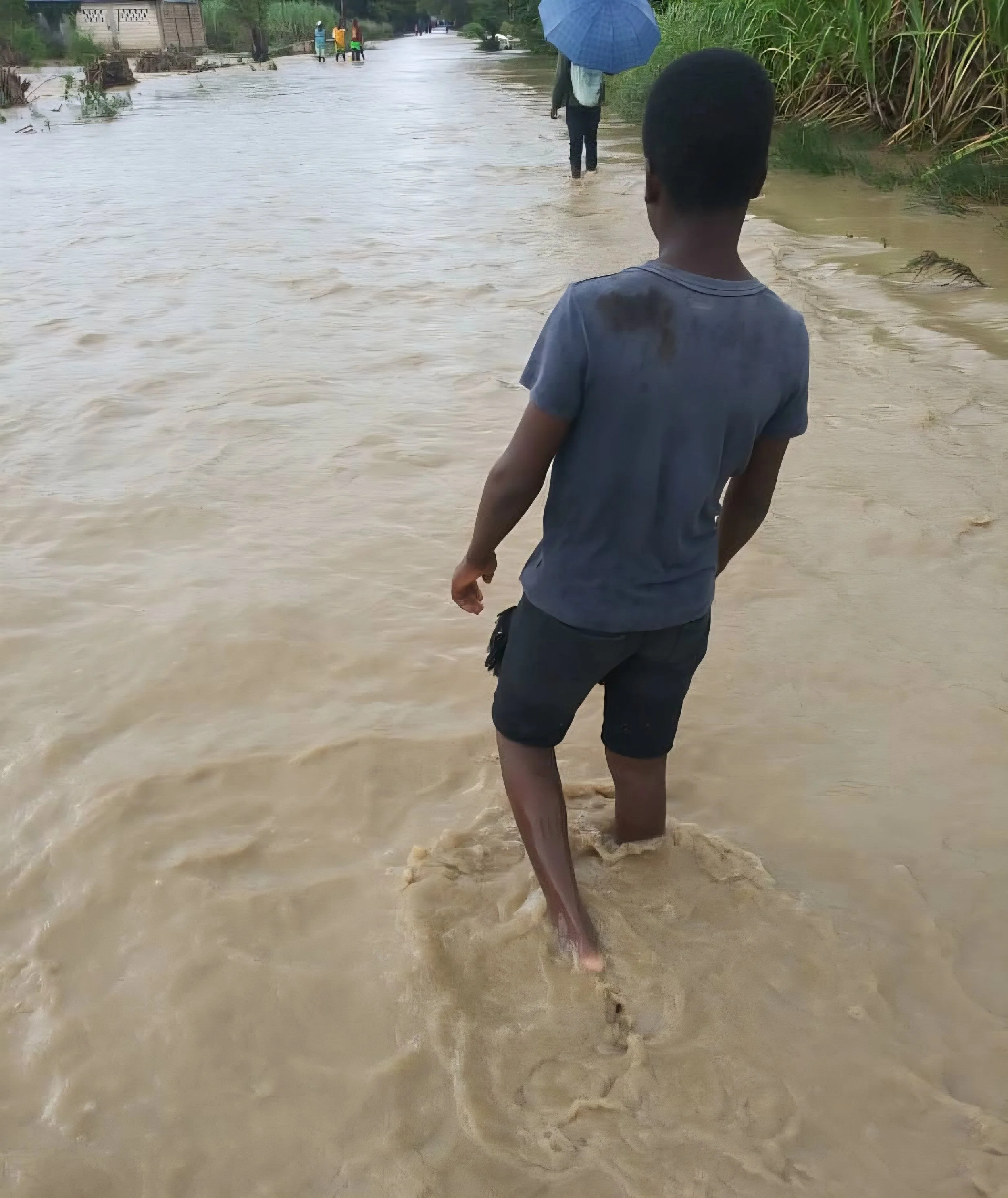
When Hurricane Melissa swept across southern Haiti, it did not simply damage football fields. It flooded homes, destroyed crops, contaminated water sources, and disrupted livelihoods across the rural communities where GOALS Haiti works. Families who were already facing food insecurity suddenly found themselves with even fewer resources. Children who had relied on our fields as safe places to play, learn, and connect were suddenly without them.
Like many organizations, our first instinct was simple: how can we help?
The answer was right in front of us. Our football fields had long been gathering places for the community. In the days after the hurricane, they naturally became the starting point for recovery.
The field as a community hub
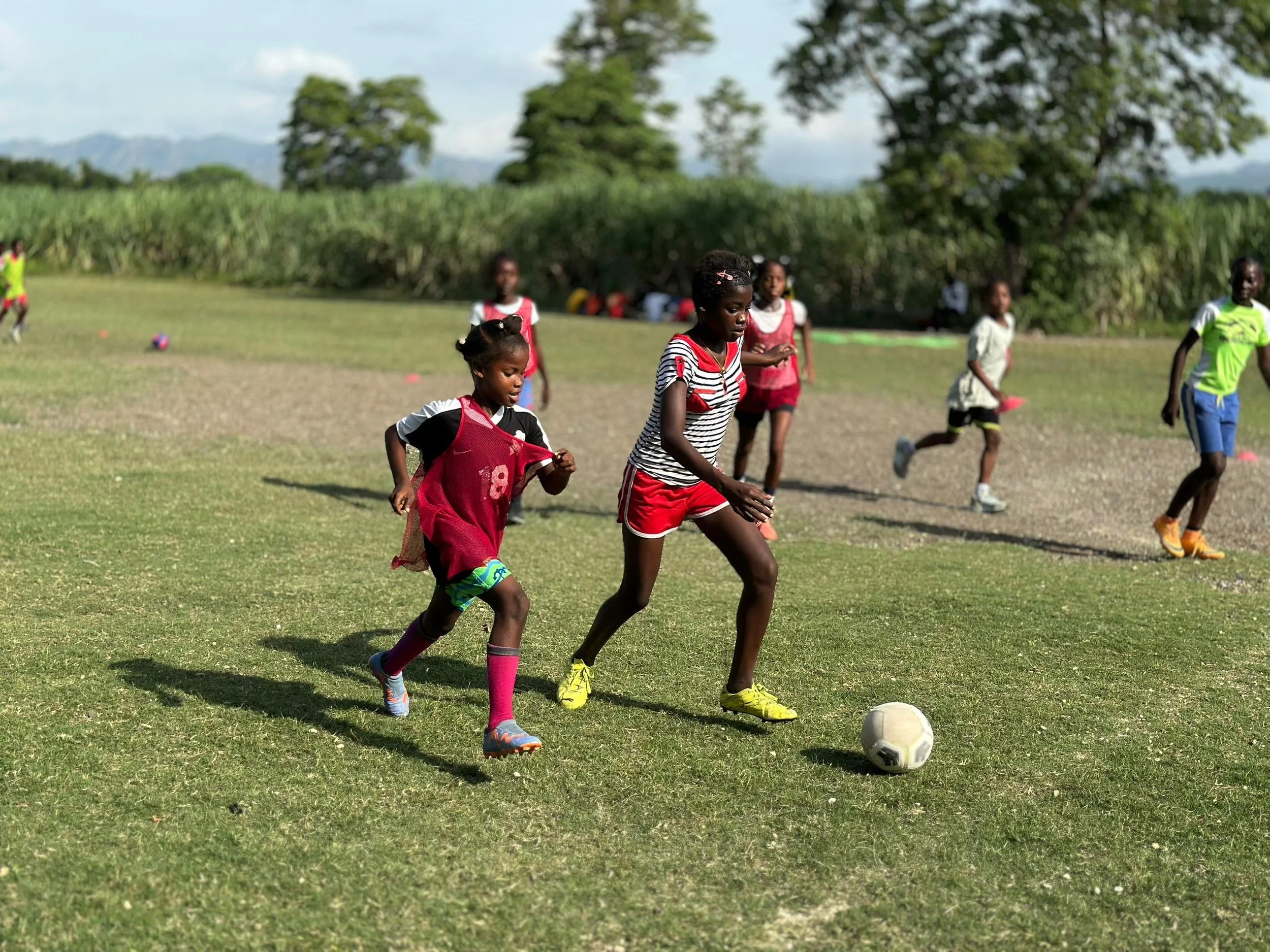
GOALS Haiti was founded as a sport-for-development organization. Every day, our football fields bring together children to learn leadership, health, gender equality, environmental stewardship, and life skills.
But when the hurricane struck, those same relationships became the foundation of our emergency response.
Because our coaches live in the communities they serve, they were among the first to identify families in urgent need. Within hours, they were checking on children, assessing damage, organizing clean-up efforts, and communicating directly with community leaders.
The trust built over years through football became the foundation for emergency response.
Our staff knew exactly which families had lost homes, whose gardens had been destroyed, where floodwaters remained dangerous, and which children needed immediate psychosocial support.
That knowledge and trust cannot be created in the aftermath of a disaster. They are built over years through consistent presence, reliable relationships, and showing up every day.
Recovery starts with people
In the weeks following the hurricane, our response expanded beyond emergency relief.
With support from partners, we hired community members to clear debris and repair damaged public spaces, providing short-term income for families whose livelihoods had been disrupted. We distributed food and hygiene supplies, supported cholera prevention efforts, and gradually reopened our youth programs as conditions allowed.
The football field once again became a place where children could gather safely not simply to play, but to reconnect with friends, restore routines, and begin recovering emotionally from what they had experienced.
For many children, returning to football represented something larger than sport - it represented normalcy.
Climate resilience is community resilience
Climate change is increasing the frequency and intensity of disasters around the world, particularly in places like Haiti, where communities have contributed the least to global emissions while experiencing some of the greatest impacts.
For organizations working through sport, this reality raises an important question.
Are we simply delivering sports programs, or are we helping communities become more resilient?
Our experience suggests these goals cannot be separated.
When young people develop leadership skills, when coaches become trusted mentors, when communities gather around shared spaces, and when local organizations earn lasting trust, they are also strengthening the social networks that become essential during times of crisis.
The same trusted relationships that bring a child to the football field each afternoon also create opportunities long before disaster strikes. Through our programs, young people and their families learn about environmental stewardship, disaster preparedness, and practical ways to reduce risk. When hurricanes do occur, those same trusted relationships help ensure families are reached quickly, accurate information is shared, and support reaches those who need it most.
For sport organizations around the world, climate resilience is no longer a future challenge it is a present responsibility. The relationships we build through sport, the trust we earn within communities, and the safe spaces we create for young people have value far beyond the game. They become the foundation for preparedness, response, and recovery when communities need them most.
Looking forward
Today, our programs are once again running across all of our communities. Children are back on the field and in the classroom. Gardens are producing food, tree nurseries are growing, and families continue rebuilding their lives.
We continue investing in environmental education, community gardens, disaster preparedness, and youth leadership because these are not separate from sport—they are part of creating stronger, healthier communities that can prepare for and adapt to an increasingly unpredictable climate.
Football did not stop the hurricane.
But it gave us a trusted community network that was ready to respond when it mattered most.
As climate challenges continue to grow, sport organizations have an opportunity to rethink their role not only as places where games are played, but as community anchors capable of supporting resilience before, during, and long after disaster strikes.