
The Premier League banned gambling sponsorship on shirts. Could polluting sponsors be next?
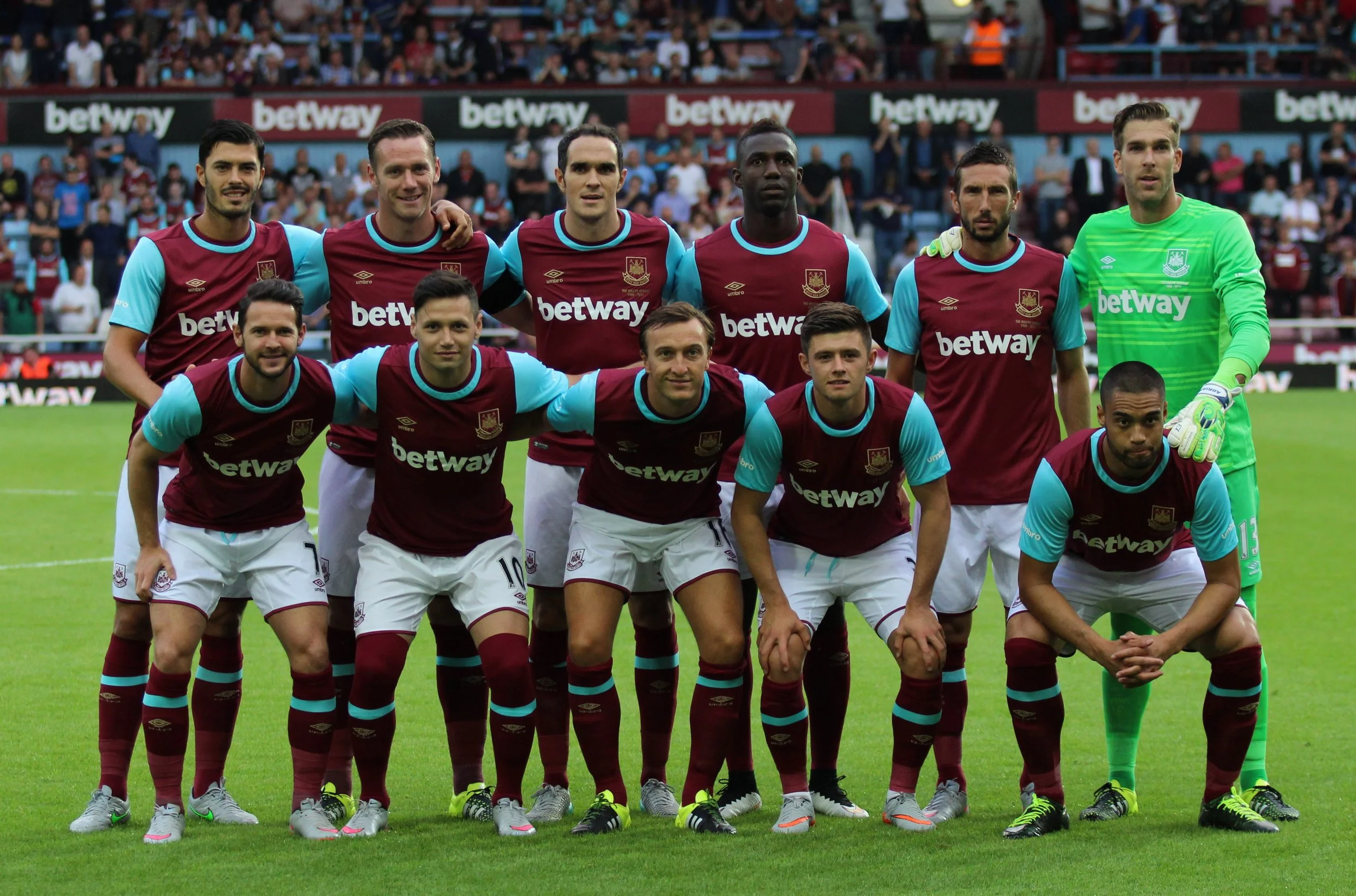
For twenty years we were told it couldn't be done. Football needed the bookmakers and gambling companies’ money. Take it away and clubs would go under, the pyramid would crumble, the product would suffer. Then, at the start of this season, all twenty Premier League clubs ran out without a betting company on the front of their shirts. Nothing crumbled.
This marks a stark contrast from the previous season, where eleven clubs had gambling sponsors on their shirts. Of course, this new policy has holes in it big enough to drive a team bus through: it is voluntary, it is partial, and it continues to be the subject of fierce lobbying from the gambling companies and the Premier League itself.
But gambling firms are not the only sponsors whose business harms the game. Across elite sport, the logos of polluting companies - fossil fuel firms, airlines and car manufactures - cover shirts, hoardings, screens and stadiums, even as their emissions fuel the heat and floods that threaten where sport is played and who plays it. For anyone who wants football to break with its polluting sponsors, the gambling ban offers more than inspiration. It shows that the "we can't afford it" argument doesn't hold, and that clubs acting together, given enough notice, can walk away from money they were told they couldn't live without.
How did it happen?
The ban on front of shirt sponsors did not come from the UK government. In April 2023, with the government’s gambling white paper imminent and ministers openly weighing a statutory ban, Premier League clubs voted to withdraw gambling sponsorship from the front of matchday shirts themselves on a voluntary basis. Clubs voted overwhelmingly in favour of the ban. The league described itself as the first in the UK to take such a step voluntarily, and gave itself three full seasons to phase existing deals out. At the time, eight clubs had gambling chest sponsors worth around £60 million a year. Last season, this number had grown to eleven, as clubs squeezed in a final round of deals before the door closed to maximise revenues.
This sequence of events is worth dwelling on. A sponsor category, which encompassed an entire industry, and that the Premier League consistently insisted was structurally essential, was removed by an overwhelming majority once the alternative was regulation. The threat of a ban was enough to produce one, though it’s worth noting the context of the decision. At the time, the UK government was gearing up to legislate for an Independent Football Regulator (IFR), now enshrined in law since July 2025. This move from the Premier League may have been a proactive one to demonstrate that they did not need regulating and structural changes could be implemented regardless.
Where did the money go?
The immediate cost of the sponsorship ban is substantial. Industry estimates put the collective shortfall at around £80 million a year. More significant is that the transition has been untidy and unmanaged. Sunderland started the season with no chest sponsor at all, Nottingham Forest and Chelsea spent much of the summer without one, and Chelsea’s asking price reportedly fell by a third. Though now all these teams have secured front of shirt sponsors.
Despite this sudden shortfall, the gaps were filled by other industries. The 2026-27 sponsor map is now dominated by financial services, with eight deals, more than double last season. The rest is AI and software (Temporal at Crystal Palace, ClickHouse at Fulham), recruitment, telecoms, tourism and a drinks brand. None of the eleven vacated slots went to a fossil fuel company, car maker, or a petrostate-owned airline, though Liverpool penned a major deal with Turkish Airlines. The three airline chest sponsors in the league, Emirates at Arsenal, Etihad at Manchester City and Corendon at newly promoted Hull, were all there before the ban.
This dynamic is useful as it answers a perennial objection to restricting high-carbon sponsorship, namely that the money “has to come from somewhere”. Yet the gambling ban is a live, twenty-club experiment in what happens when a lucrative and powerful industry is taken off the table as a commercial partner (albeit in a narrow and partial way). The answer, so far at least, is that the commercial sponsorship space adjusts and reprices the deals, meaning that a couple of clubs feel it for a season but the game carries on. This could mean that any restrictions on high-carbon sponsors, introduced on environmental or climate joins, either collectively or individually by clubs, wouldn’t necessarily have a marked impact on commercial revenue if implemented with a sufficient lead time.
The hole in the middle
The ban only covers the front of the matchday shirt. Sleeves, training kit, stadium hoardings and digital inventory are untouched, and betting brands have moved straight into these smaller sponsorship categories. Betano now sits on Aston Villa’s sleeve and Tottenham’s training wear, while Stake is on Everton’s sleeve, Bally Bet on Forest’s, MrQ on Bournemouth’s, Chexx Bet on Crystal Palace’s.
In practice, the policy is totally incoherent, as a child watching a match will see fewer gambling logos than last year, but not none. Below the Premier League, the EFL has no such restriction, with seven Championship clubs still carrying betting brands on their chests and the division itself is title-sponsored by Sky Bet.
Partial restrictions do not shrink a sponsor’s footprint so much as relocate it. Britain’s tobacco advertising ban worked because it was comprehensive and statutory, and because the Formula 1 exemption that was carved out in the late 1990s became a national embarrassment that eventually had to be closed (though vapes and e-cigarette advertising persists). A voluntary, front-of-shirt-only measure can only be the beginning of a ban.
What does this mean for high-carbon advertising?
The arguments that won the gambling debate map almost exactly onto fossil fuel sponsorship: a product whose harms are established beyond dispute, marketed through the most emotionally powerful advertising real estate in the country, to an audience that includes millions of children, by an industry that spends heavily precisely because it works. In the “Sweat Not Oil” report, the authors found more than 250 sponsorship deals between sport and high-carbon industries back in 2021, with football the worst offender. By 2024, oil and gas sponsorship of sport alone reached US$5.6 billion across 205 deals, led by Aramco, Ineos, Shell and TotalEnergies. More recently, Fossil Free Football reported that eight of Europe’s top ten clubs wear fossil-fuel-linked shirt sponsors and five are backed by petrostate-owned airlines.
Football has spent the summer being reminded what those sponsors are selling. Europe recorded its warmest June and July on record, the Vuelta cut a stage for heat, and grassroots leagues across the UK and Europe had to delay their seasons because the pitches were too hard to play on. The impact of burning fossil fuels is making itself heard across international sport - yet clubs and leagues are not attributing this disruption to the products their shirts promote.
Does the gambling ban offer hope for polluting sponsorship?
This development in the Premier League offers three lessons for the campaign to end polluting sponsors in sport.
First,the forgone investment argument doesn’t hold up to scrutiny. The clubs said the gambling revenue was irreplaceable, and it has taken one transfer window to replace almost all of it. The next time a club or a league says it cannot afford to drop a polluter, the answer is on the front of twenty shirts.
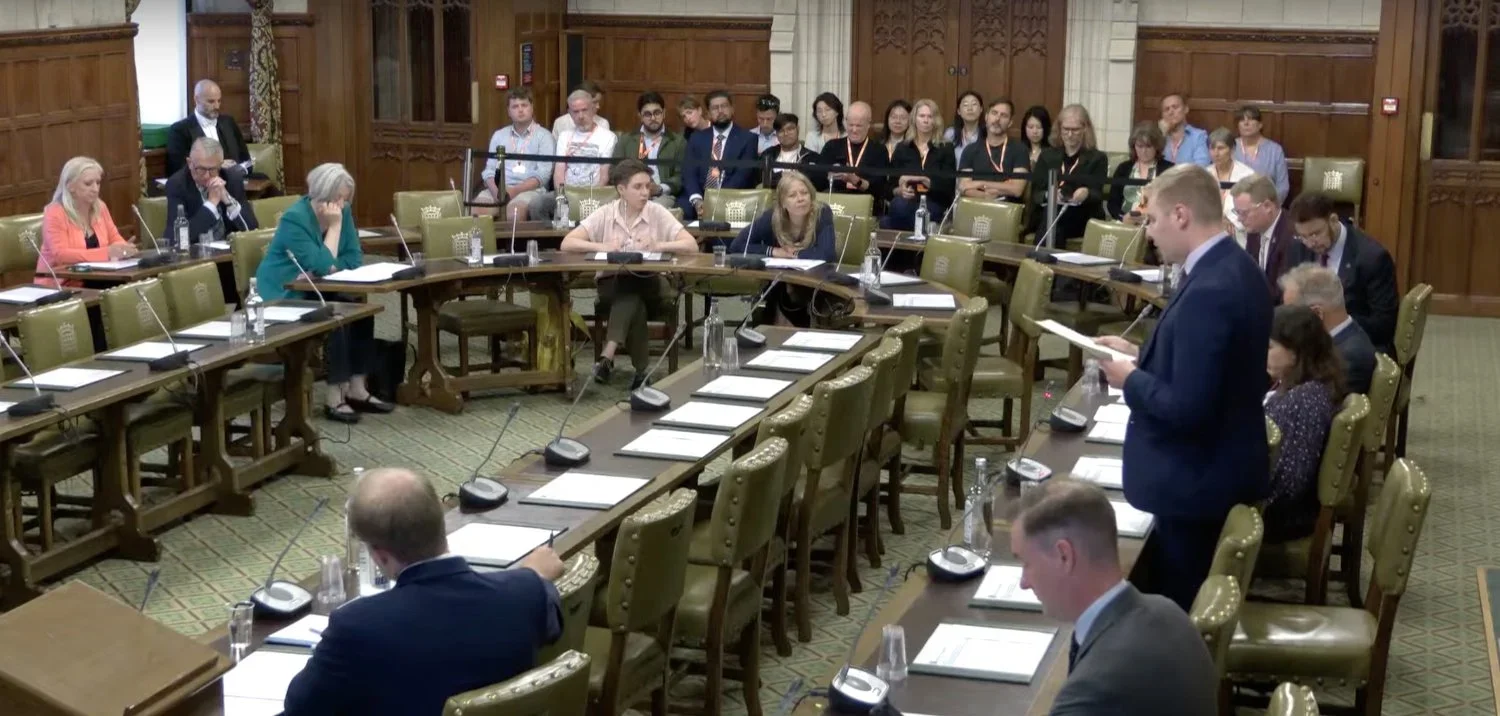
Westminster Hall debate on a fossil fuel ad ban.
Second, the football industry is capable of self-regulation when the alternative is legislation, so the pressure point is Westminster as much as the boardroom. The government told a Westminster Hall debate in July 2025, prompted by a public petition to ban fossil fuel advertising and sponsorship that garnered over 100,000 signatures, that it had “no plans” to restrict it. The gambling precedent shows that a credible plan, or even a credible threat of one, can move the dial amongst sports organisations. The Sporting Events Bill now heading to Committee Stage after its second reading in the Commons, which hands ministers powers over advertising around major event venues, is an obvious place to start asking what kinds of sponsors a publicly backed tournament should carry and how those sponsorship deals interact with local advertising restrictions, like the ones emerging in Edinburgh, Sheffield and Bristol, as well as in cities and towns around the world.
Third, advertising restrictions need to be comprehensive and coherent. Gambling’s migration to sleeves and training kits is a preview of exactly what an oil major or airline would do with a front-of-shirt-only rule. Any restriction worth proposing needs to cover kit, stadium naming, hoardings, competition title rights and digital inventory, and to bind the EFL and the women’s game as well as the top flight.